Why Teeth Whitening Is More Than Just Aesthetic: Health Benefits Explained
There is a common misconception about teeth whitening: that it’s just an aesthetic procedure with no real health benefits. But that’s not the case at all. In fact, there is a lot about teeth whitening that is unknown, and we are going to explore what it is and why it is more than just an aesthetic procedure. Although teeth whitening can enhance your smile and improve your confidence, it can also offer many indirect health benefits. Here’s a look at why you should consider teeth whitening for more than just aesthetic reasons.
What is Teeth Whitening?
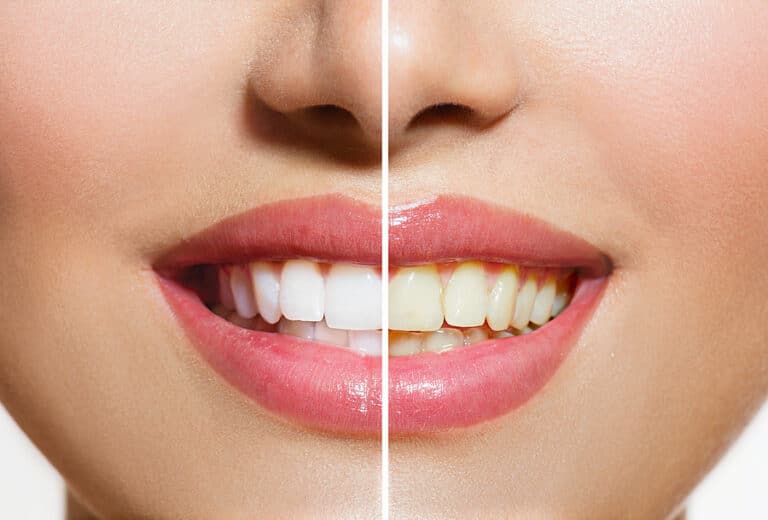
The process of teeth whitening involves using professional-grade products to lighten the shade of your teeth. It will include using a whitening gel and a light to activate it. It works by using a whitening agent to break down stain molecules, which, in turn, makes the enamel visually brighter. The whitening agent is usually a peroxide-based product that penetrates the enamel and breaks apart those stain compounds, leaving your teeth looking whiter and brighter. Typically, this can vary per person depending on how severe your stains are and the original color of your teeth. It’s important to understand that teeth whitening is not teeth cleaning; therefore, it will not remove plaque or treat dental issues like gum disease or cavities.
What Causes Discoloration and Staining in Teeth?
To fully understand what teeth whitening is, it’s important to understand how discoloration and staining occur. Discoloration is common, which is why teeth whitening is a popular option for those who experience staining or discoloration. There are two types of stains: extrinsic and intrinsic.
Extrinsic Stains
This type of staining occurs when fluids or solids containing potent ingredients and colors sit on the teeth, staining the outer enamel. Common foods and drinks that can stain include coffee, tea, dark sodas, and berries or certain sauces. This is the surface level of the tooth, the part you can visibly see. Ultimately, extrinsic staining is caused by diet and lifestyle, meaning it can be avoided with lifestyle changes.
Intrinsic Stains
Intrinsic staining happens in the deeper layers of the tooth, where teeth whitening may not reach. This is typically caused by things like aging, trauma, certain medications, and exposure to too much fluoride. The whitening agent cannot reach these stains, so teeth whitening for intrinsic stains is less effective, and other cosmetic solutions are better for treating them.
What Does Teeth Whitening Actually Do?
Teeth whitening is not as complex as it seems, but it’s important to understand how it works and why. Firstly, it’s crucial to understand that teeth whitening isn’t perfect, and the results will not give you the look of “brand new teeth,” but instead will give you a whiter, brighter smile.
Whitening agents are the main component of the teeth whitening process and are typically peroxide-based. These agents break down stain molecules, making the enamel look visibly brighter. The results will vary from person to person based on how white the enamel originally was and how much staining there is on the teeth.
What Teeth Whitening Doesn’t Do
Now that we have an idea of what teeth whitening does, let’s talk about misconceptions around teeth whitening and what it doesn’t do. To start, it doesn’t remove any plaque or tartar buildup on the teeth, as it’s not a cleaning procedure. It doesn’t treat any gum diseases, cavities, or other dental issues that may be present. It should also not be used as a cleaning replacement, so it is vital to keep those cleaning appointments every 6 months.
The Health Benefits of Teeth Whitening
Teeth whitening is a cosmetic procedure, but it also offers indirect health benefits. Here is a deeper look at the health benefits of teeth whitening and how it can support your overall health.
Motivation for Oral Hygiene Habits
Teeth whitening often encourages people to maintain their oral hygiene to keep their results. Patients who whiten their teeth tend to brush and floss much more consistently, and they become more mindful of their habits as they try to extend the longevity of their tooth shade. Investing in their smile, especially in whitening, is a stepping stone toward becoming much more mindful and consistent with oral hygiene habits.
Healthier Diet
Understanding why your teeth were stained from the beginning can encourage the patient to make dietary changes. Extrinsic staining is on the outside of the teeth and is caused by the foods we eat and the beverages we drink. To avoid additional staining after your whitening treatment, many patients consider changing their diet and avoiding foods and drinks that stain. Reducing sugary drinks, choosing less acidic beverages, and avoiding sugary foods are all changes that will contribute to your oral and overall health. Making these changes can lead to lower cavity risk, healthier gums, and reduced enamel erosion.
Encourages Preventive Dental Care
To get professional teeth whitening, the dentist will schedule a professional exam first and a cleaning. They do this to ensure there are no underlying issues that need to be addressed before whitening our teeth, such as cavities, gum issues, or enamel chips. Additionally, once the whitening appointment is complete, many patients continue with regular preventive visits to maintain the shade of their teeth. This also helps catch potential problems early, avoiding bigger issues like root canals or other invasive procedures. Overall, teeth whitening can raise awareness of oral health and encourage patients to keep up with their biannual visits.
Added Confidence
Although confidence is not exactly a health benefit for your body, it can be considered a mental health benefit. Having your teeth whitened can boost confidence, encourage smiling, and improve your self-image. This is an underlying benefit of teeth whitening that typically pushes people to get their teeth whitened in the first place. More confidence often leads people to take better care of themselves and to be more consistent with their health routines.
Is Teeth Whitening for You?
There are many more benefits to teeth whitening than just the appearance of your teeth and a brighter smile. Teeth whitening can be the starting point for consistent oral hygiene and improved oral health. If you are considering teeth whitening for appearance purposes, we encourage you to understand the indirect health benefits as well. Contact us at Sage Dental for a whitening consultation and begin your journey toward a brighter, healthier smile.